



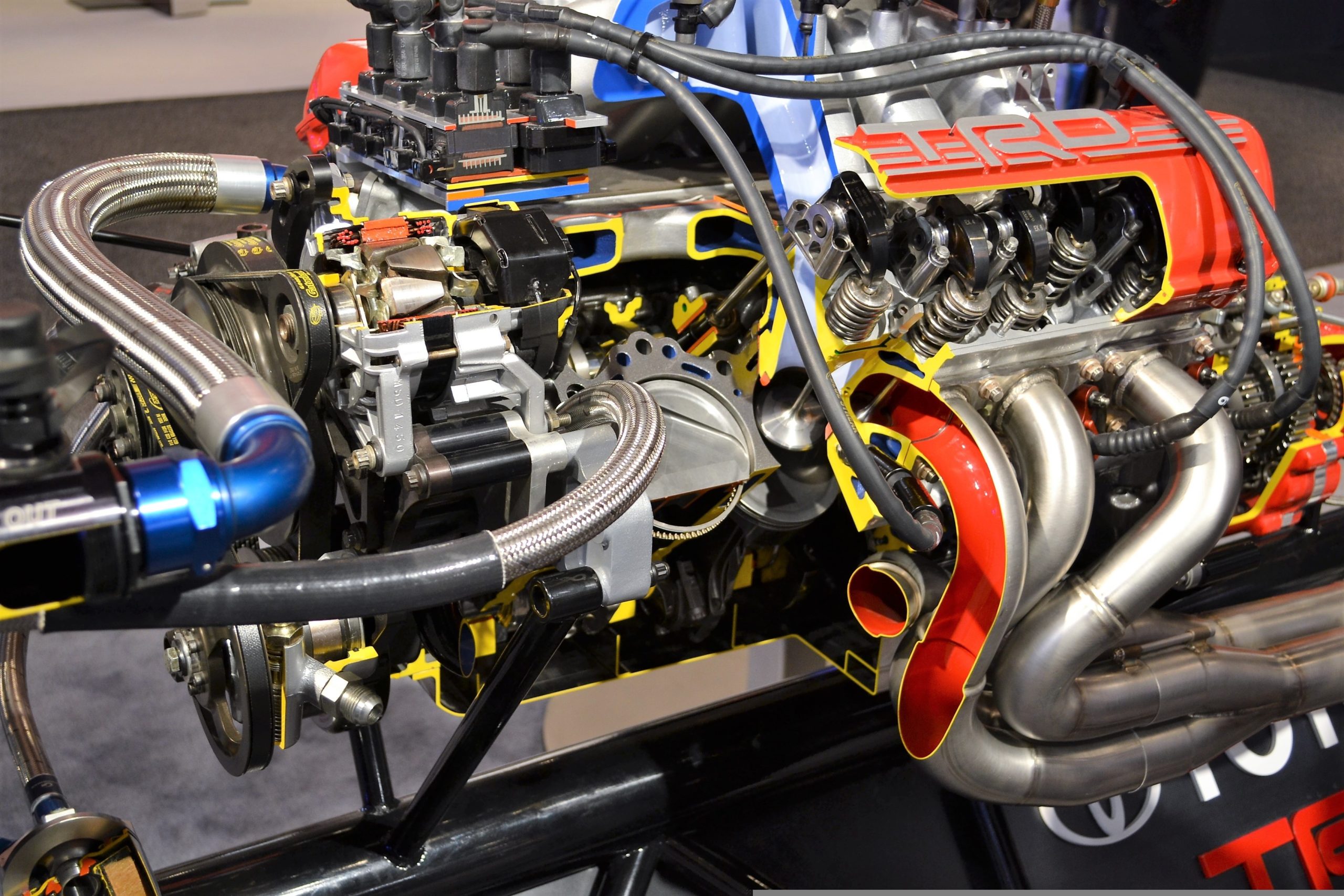
Additional advances in the area of environmentally friendly Diesel engines can be achieved without replacing or modifying existing hardware. Researchers from the University of Ljubljana, Faculty of Mechanical Engineering, have shown, in collaboration with project partners, that combining a renewable fuel with simultaneous adjustments of the engine operating parameters can reduce emissions of pollutants, particularly particulate matter and unburned hydrocarbons, by up to 40%. This study opens new perspectives for cost-effective measures to reduce the environmental impact of internal combustion engines, which are already in operation.
Compression-ignition engines, or Diesel engines, remain among the most widely used mechanical power sources across many sectors of the global economy. Engine manufacturers and operators face increasing pressure from tightening environmental regulations that demand lower carbon footprints and reduced emissions of toxic pollutants generated during engine operation. Finding the adequate combination of low-carbon fuel and engine management parameters compatible with existing infrastructure therefore poses a significant challenge.
Hydrotreated vegetable oil (HVO), a second-generation renewable fuel produced from vegetable oils, can serve as a partial or full replacement for conventional diesel fuel in diesel engines. Although HVO is already recognized for reducing particulate matter and unburned hydrocarbon emissions, its potential for further reduction of pollutants through optimization of engine settings has not been fully and systematically investigated.
Therefore, the University of Ljubljana, has conducted a research, in collaboration with the CERTH Institute,and Aristotle University of Thessaloniki, resolves this gap by investigating how exhaust gas recirculation (EGR) combined with adjustments to the main injection timing (MIT) influence emissions of pollutants when using HVO in compression-ignition engines.
The study, published in the Journal of the Energy Institute, compares engine performance and emissions of pollutants when operating on HVO versus conventional diesel fuel under four representative stationary operating points of a turbocharged four‑cylinder diesel engine. The findings demonstrate that utilization of HVO, together with an appropriate combination of EGR rate and injection timing delay, can simultaneously reduce particulate matter, nitrogen oxides, and unburned hydrocarbons compared to diesel operation, while maintaining the engine’s effective efficiency, which is an important contribution for reducing environmental impact of Diesel engines.
Link to the article.