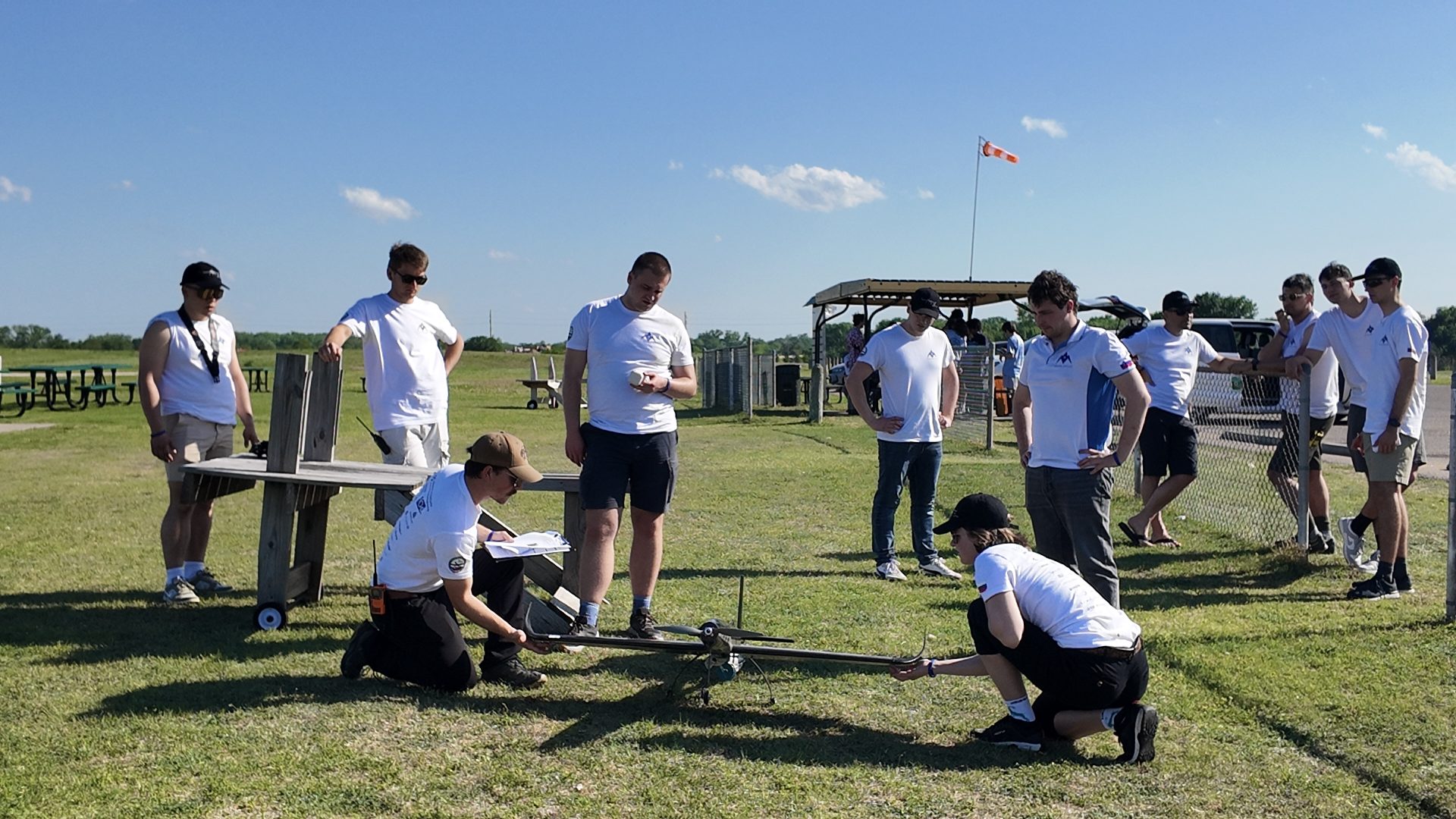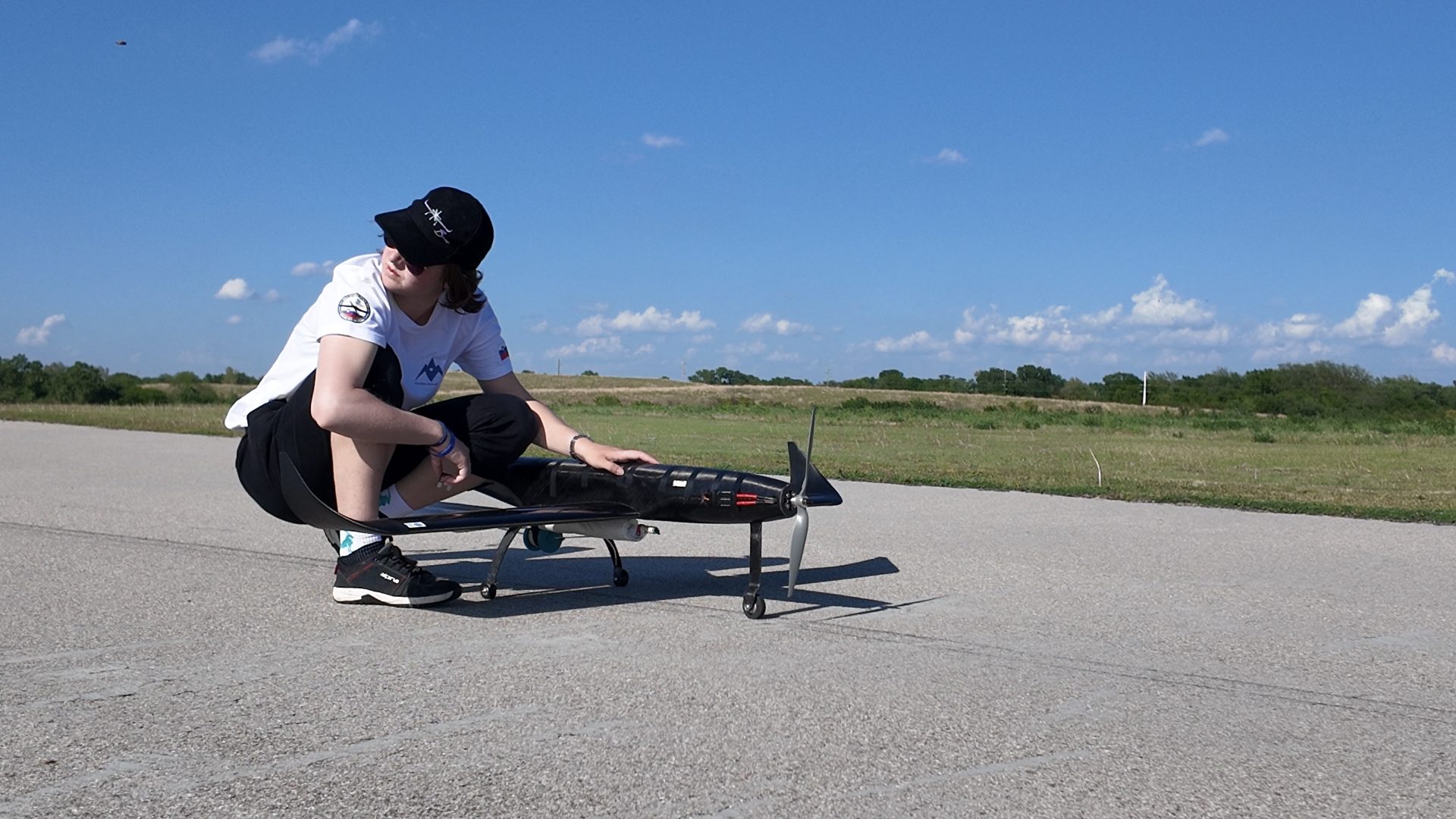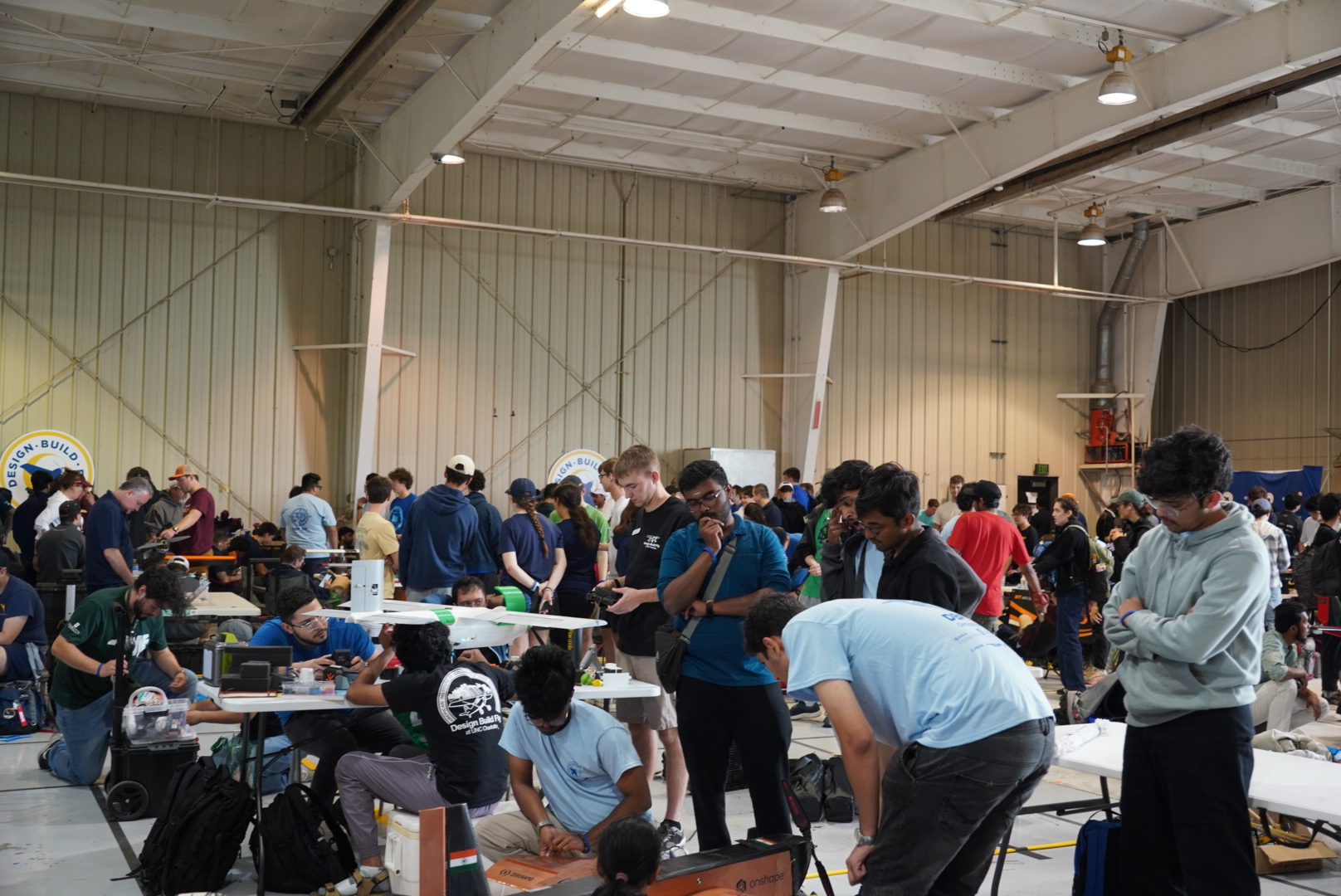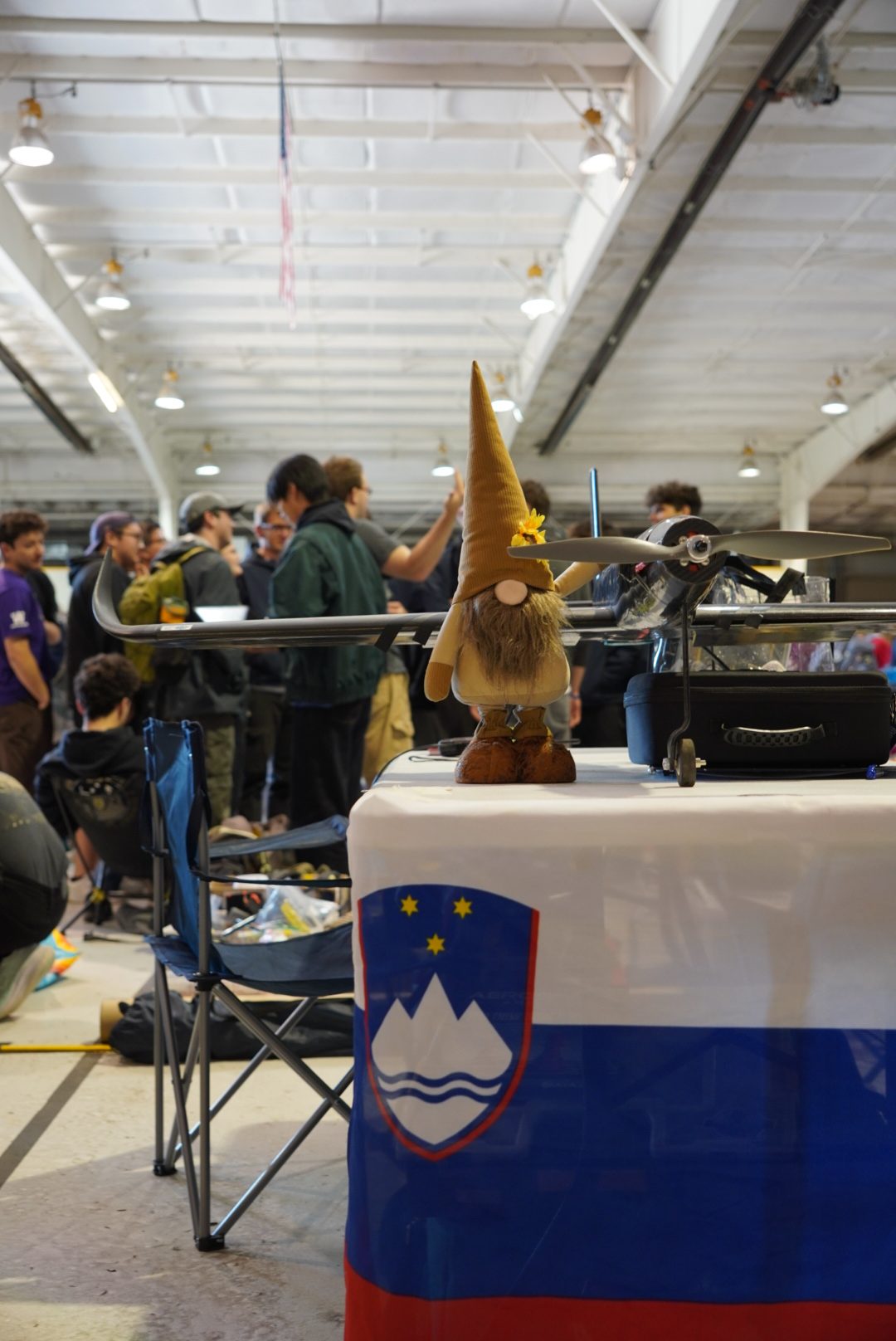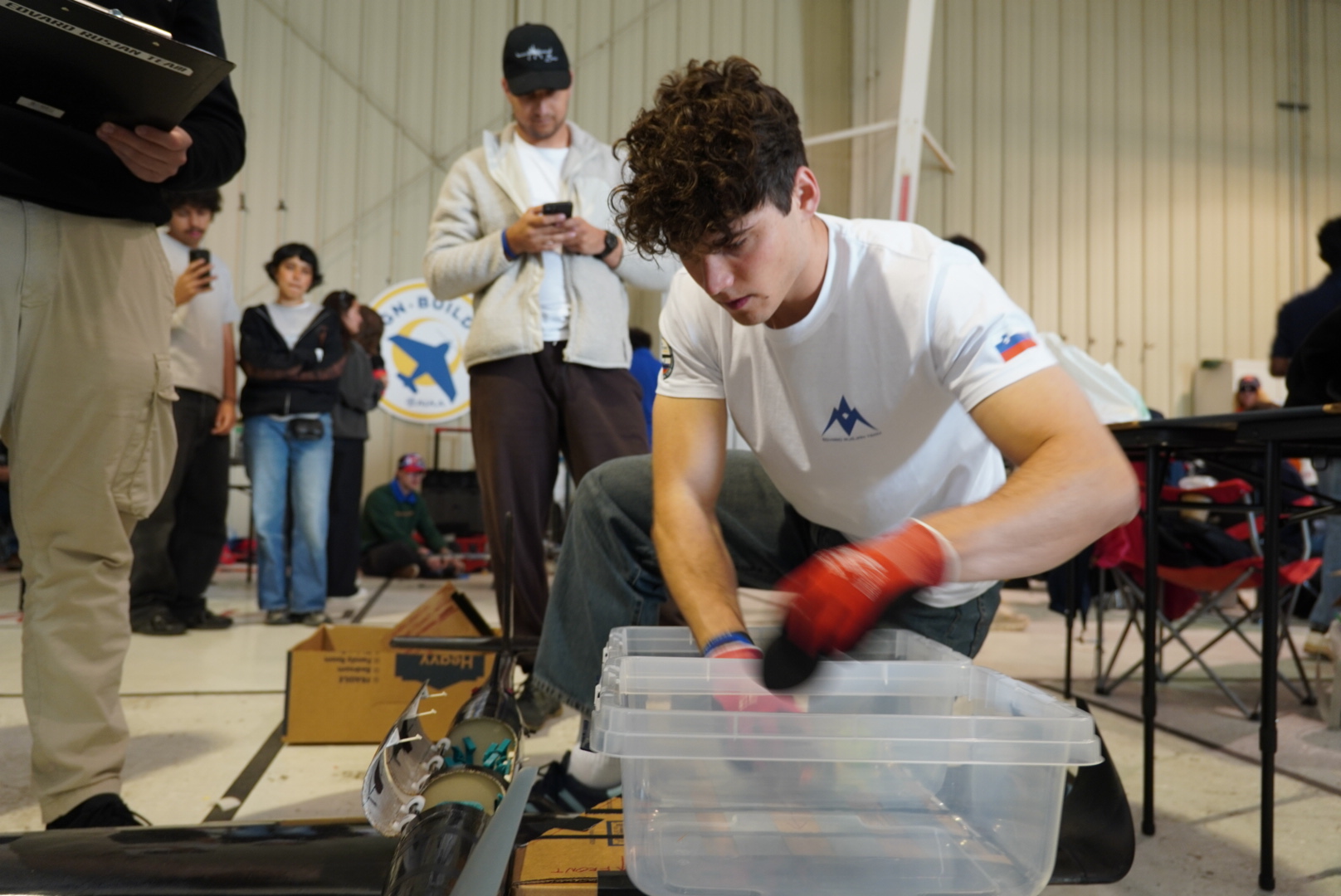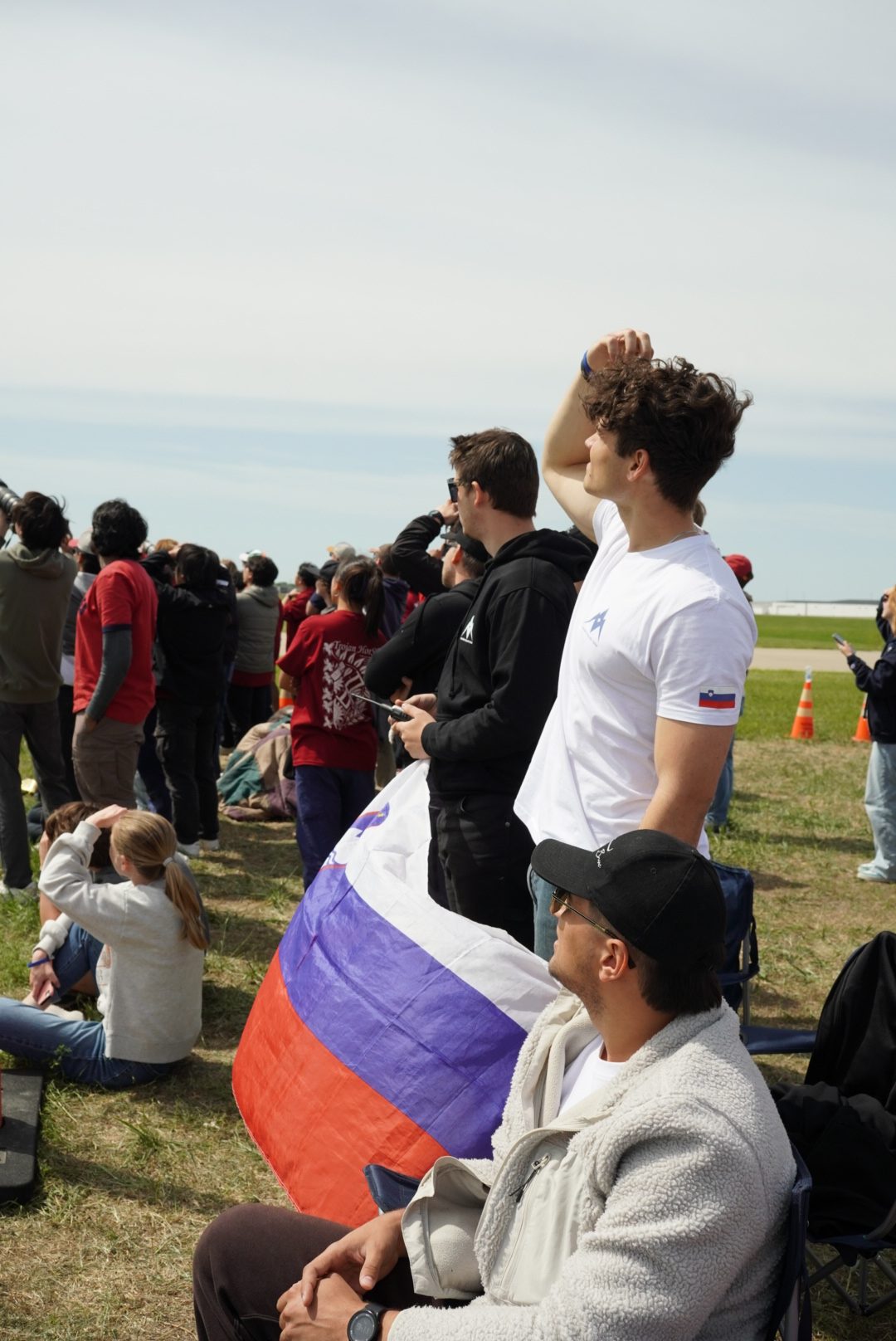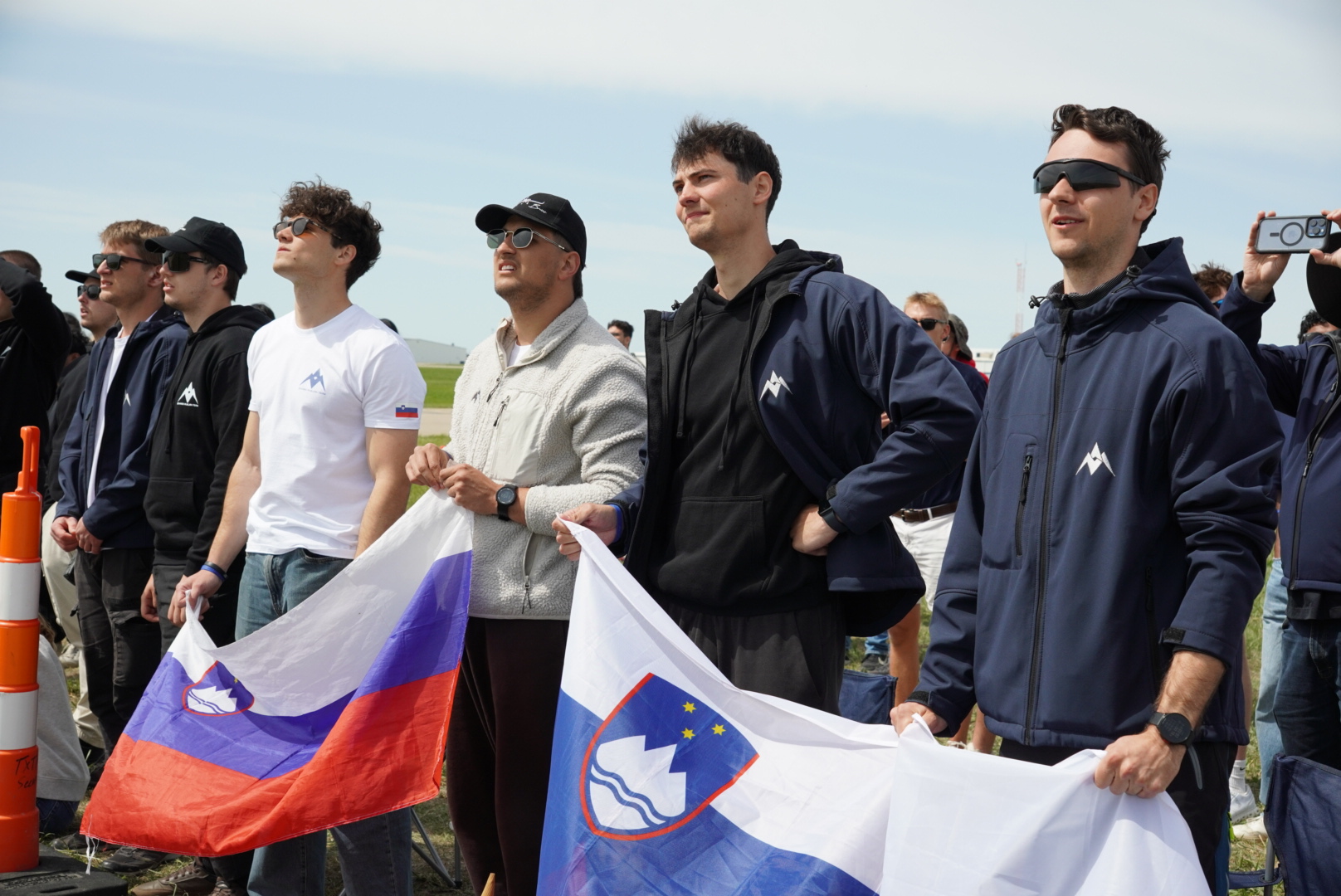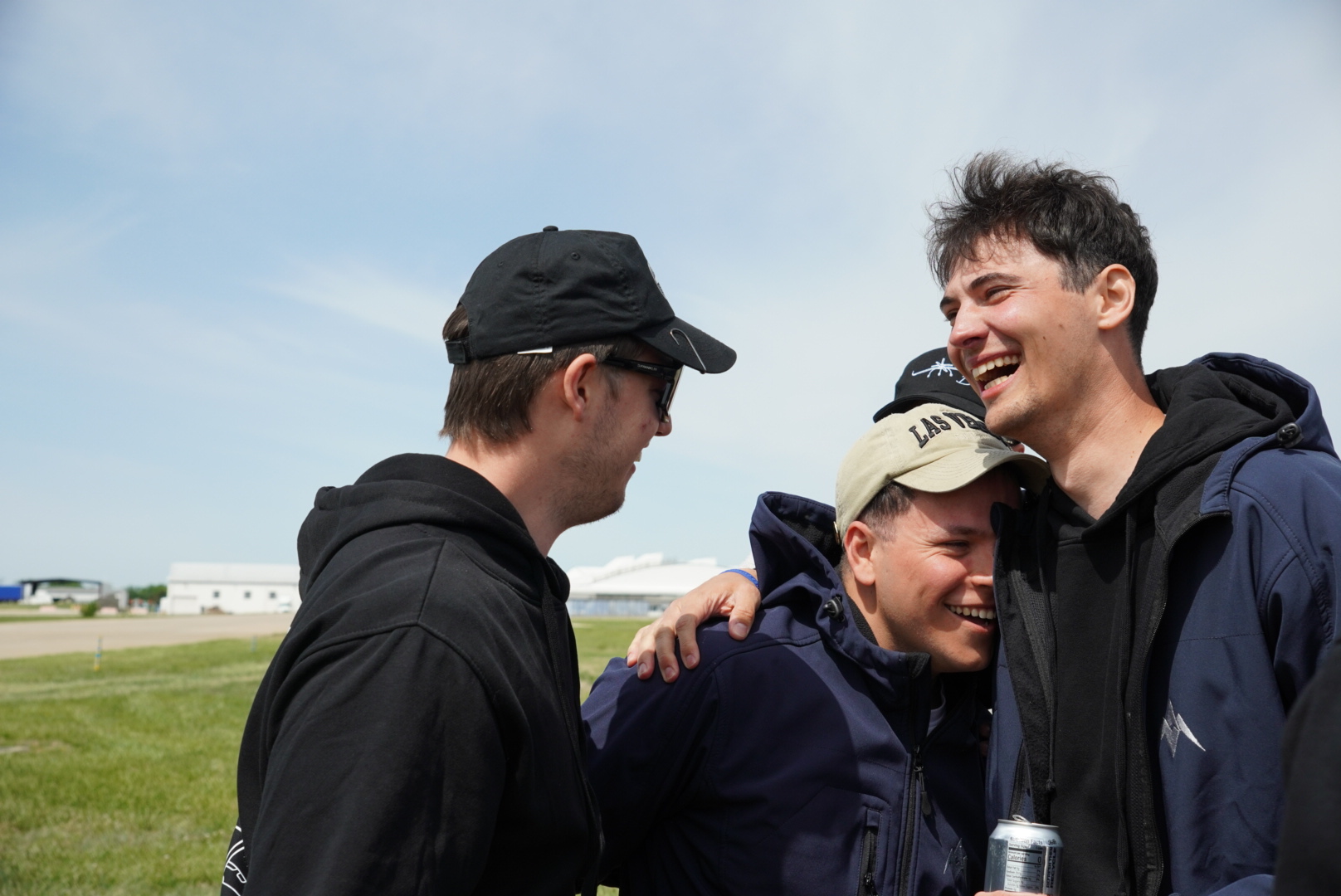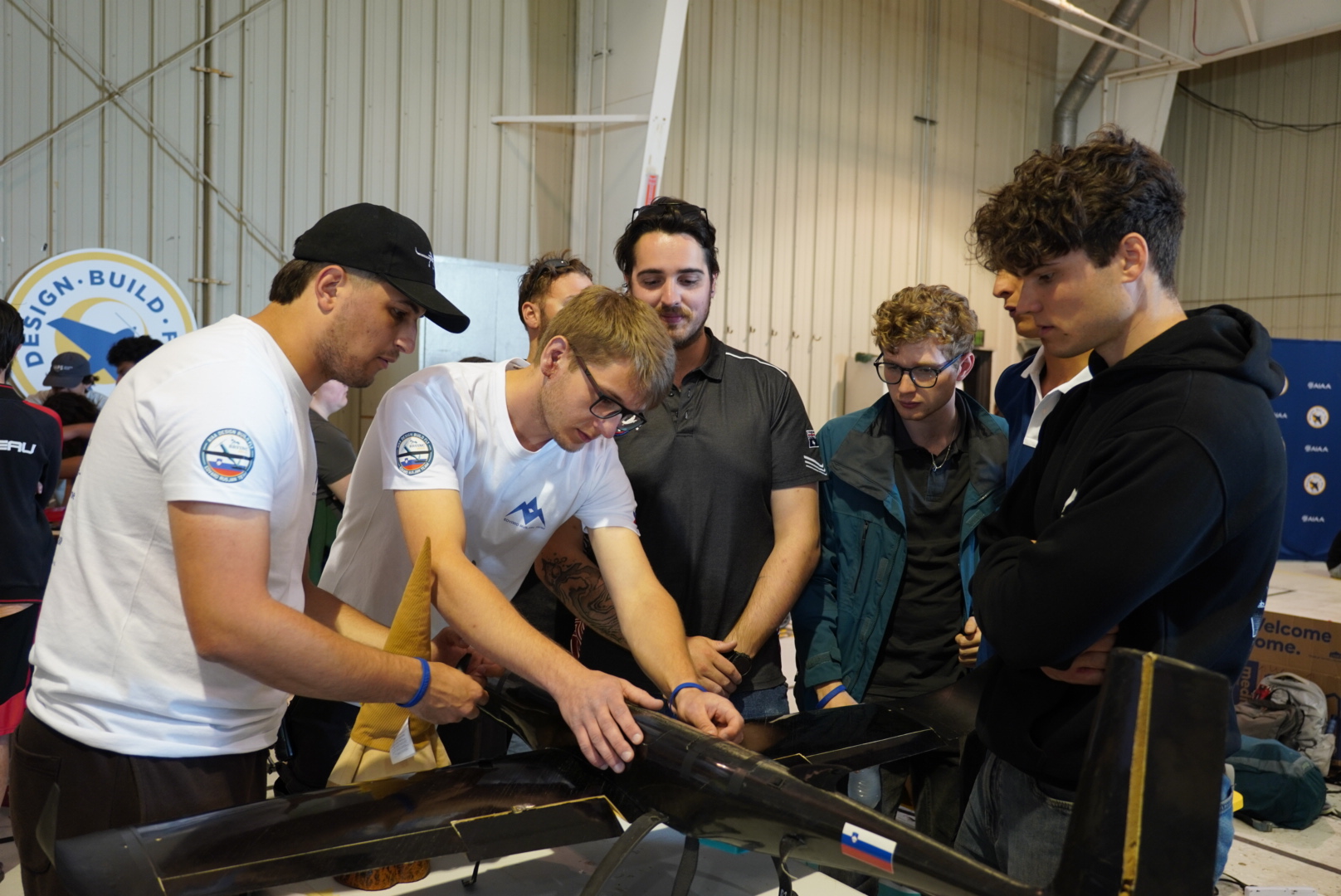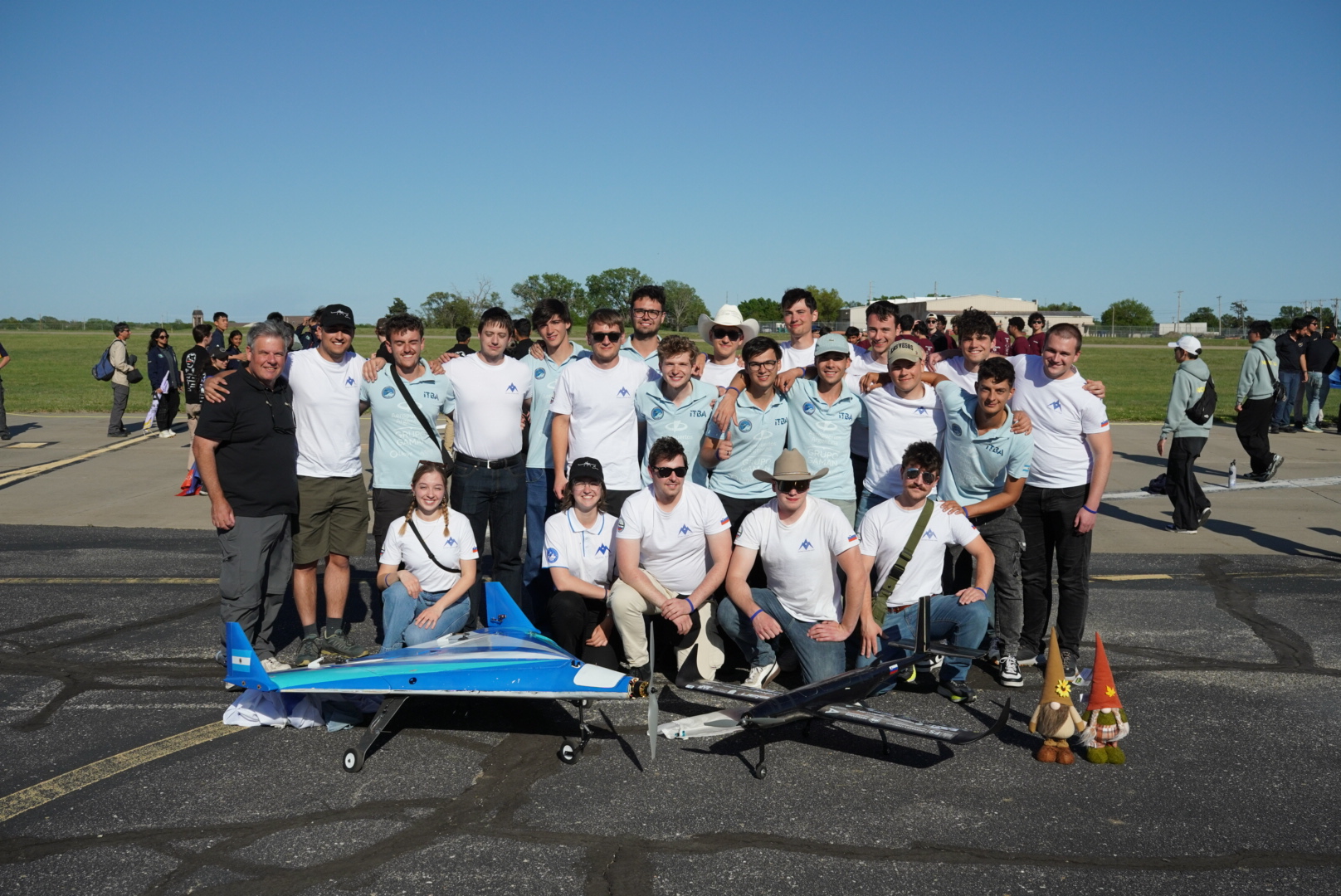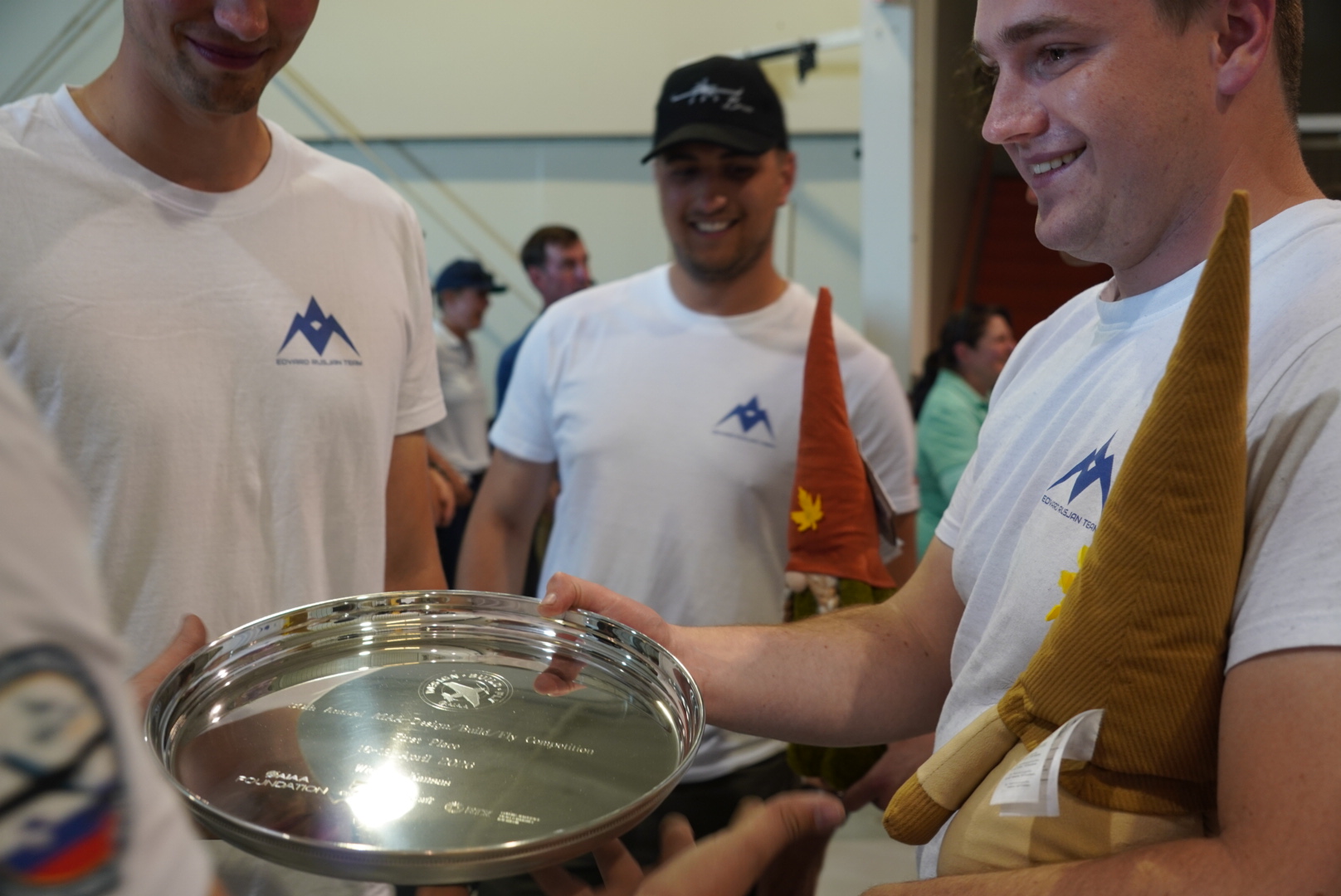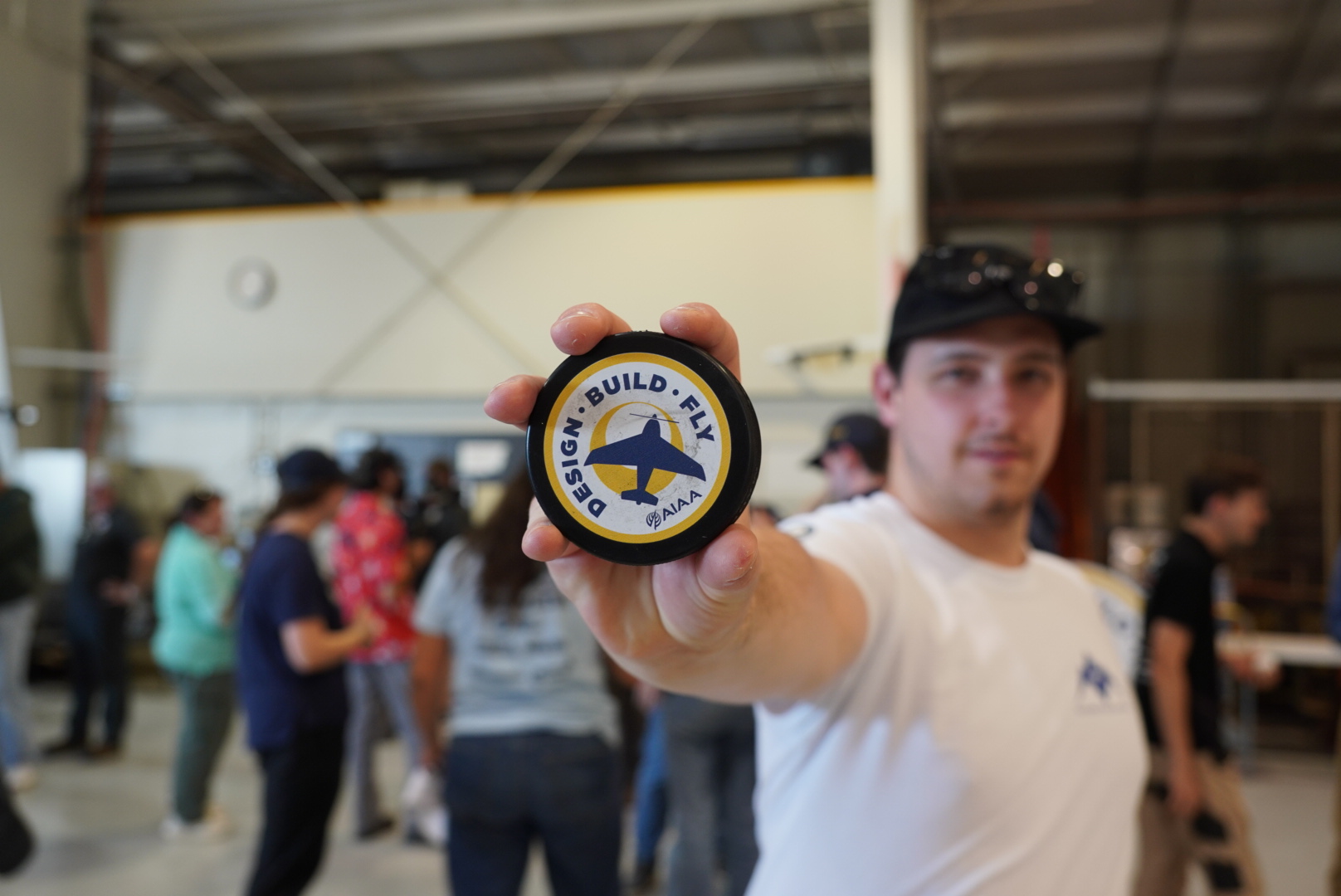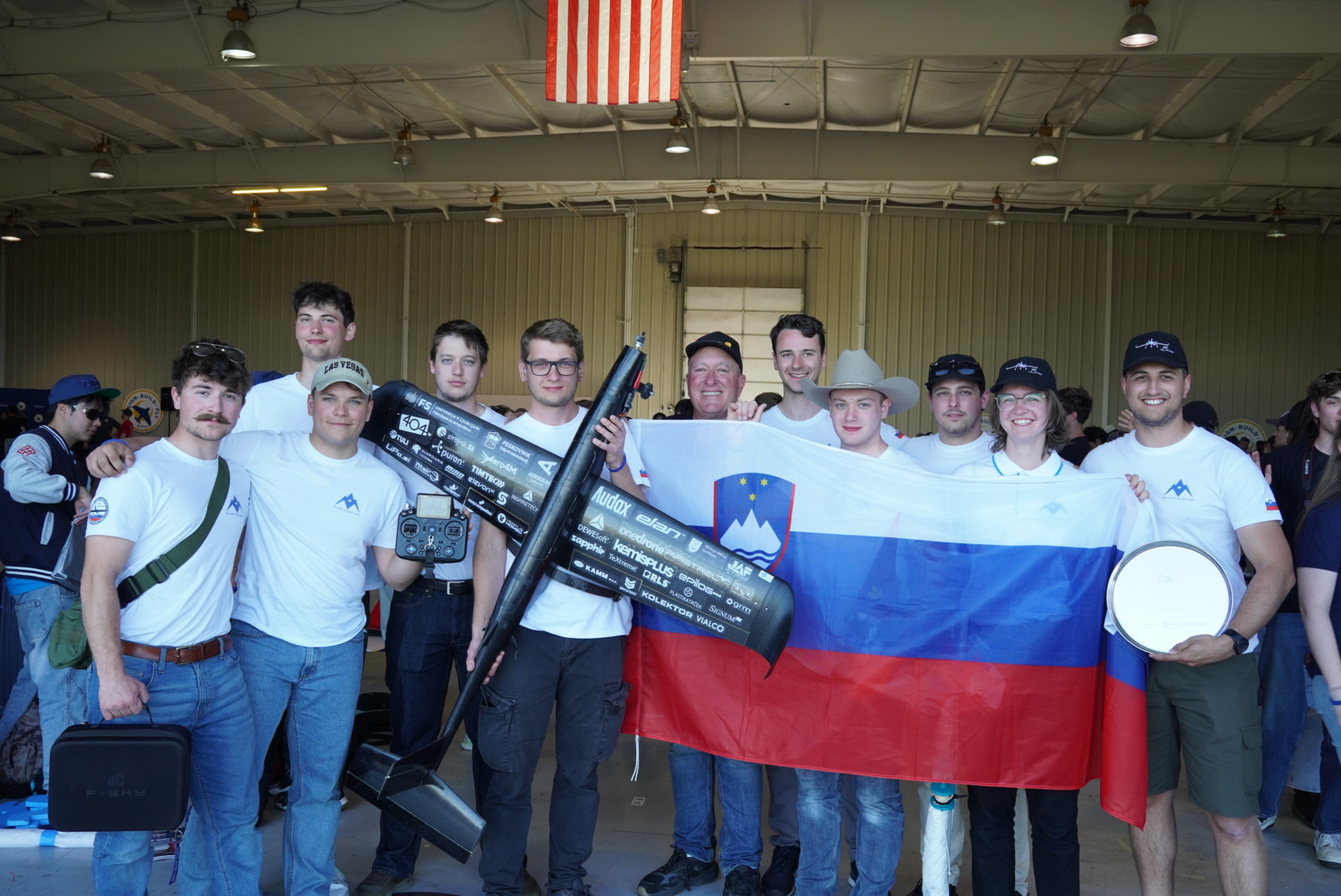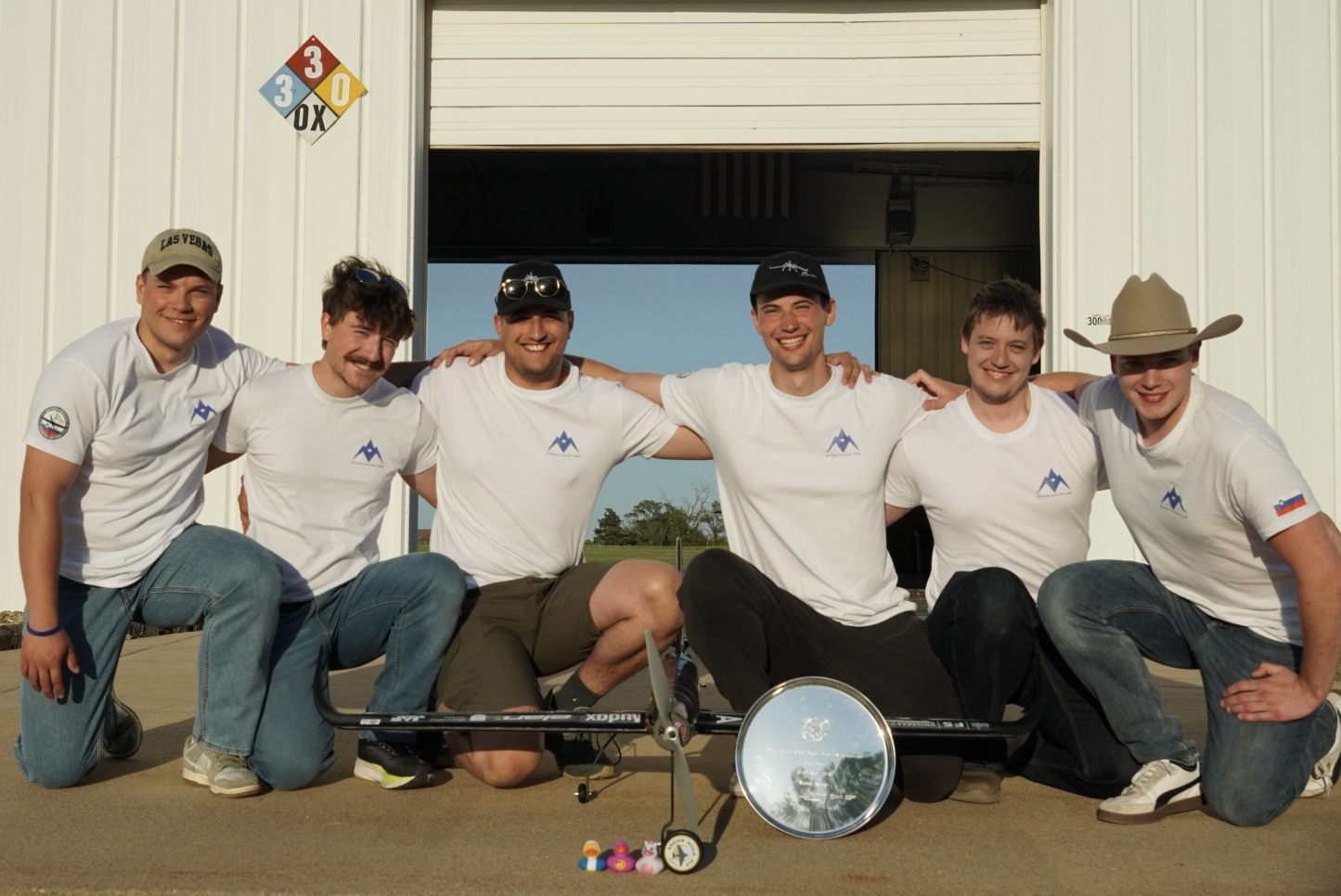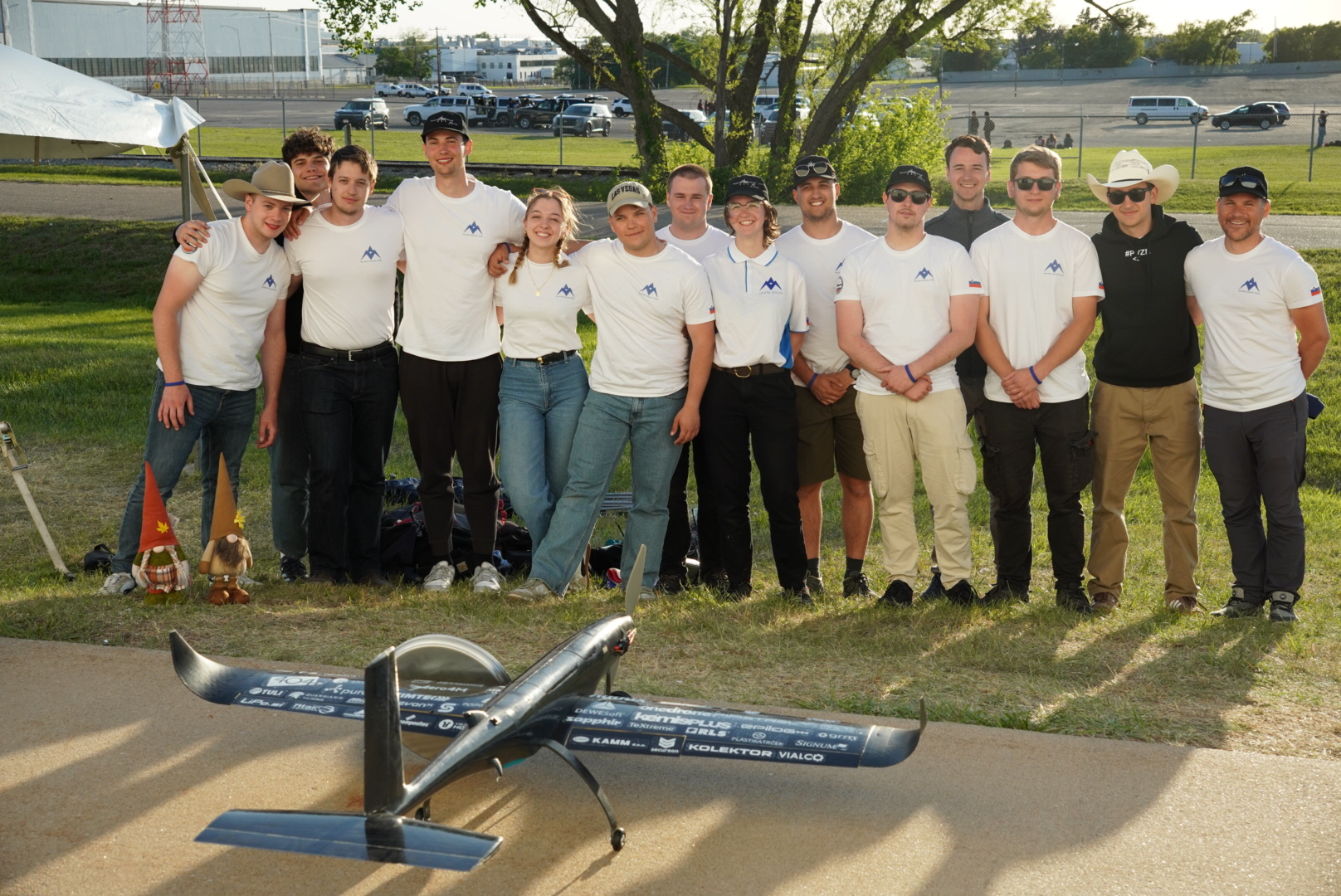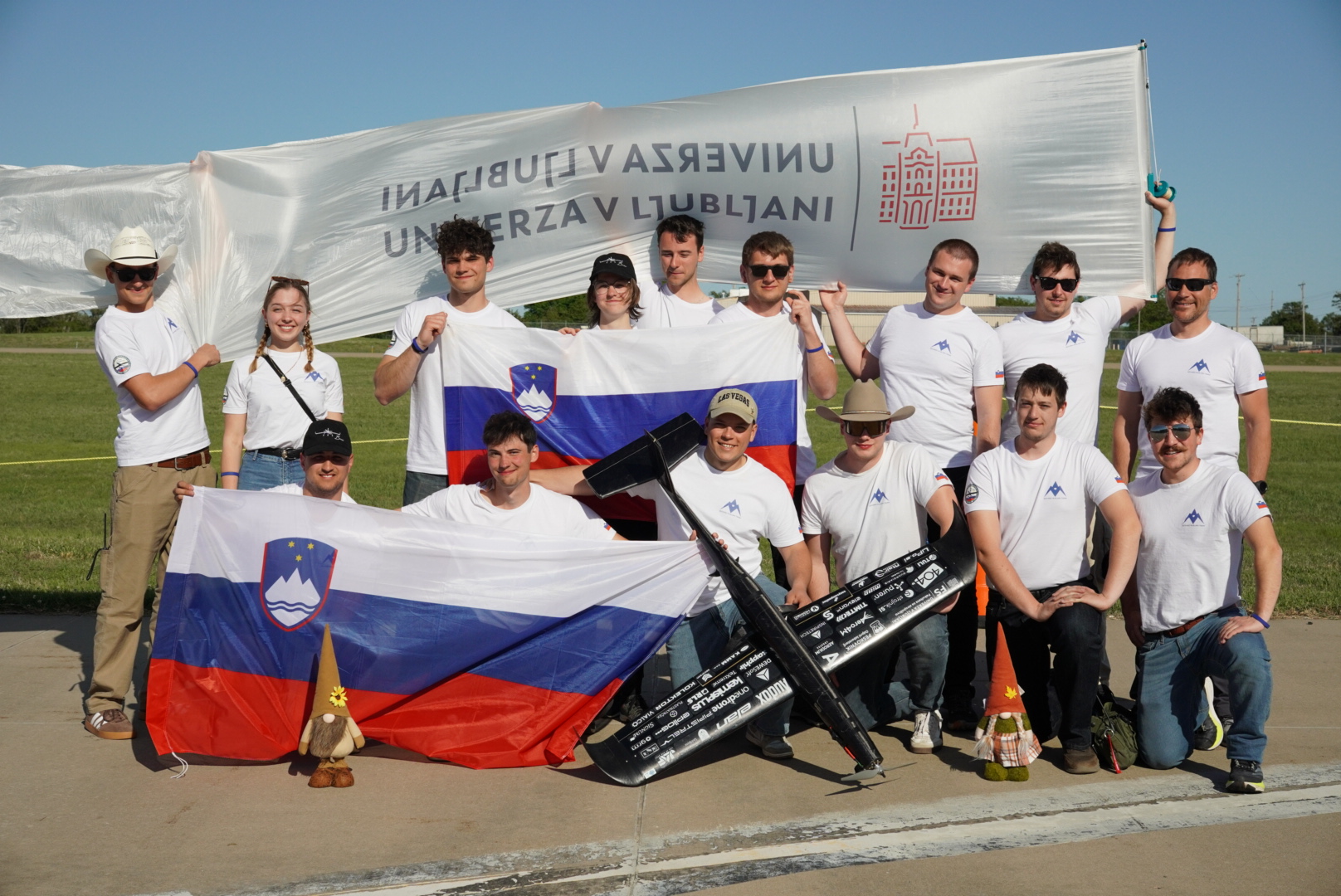
The Edvard Rusjan Team, a student team from the University of Ljubljana, claimed first place at the international Design/Build/Fly 2026 Competition in the United States. With their aircraft Brvinc, the team outperformed 98 university teams from around the world, securing the top position at one of the most demanding student aerospace competitions.
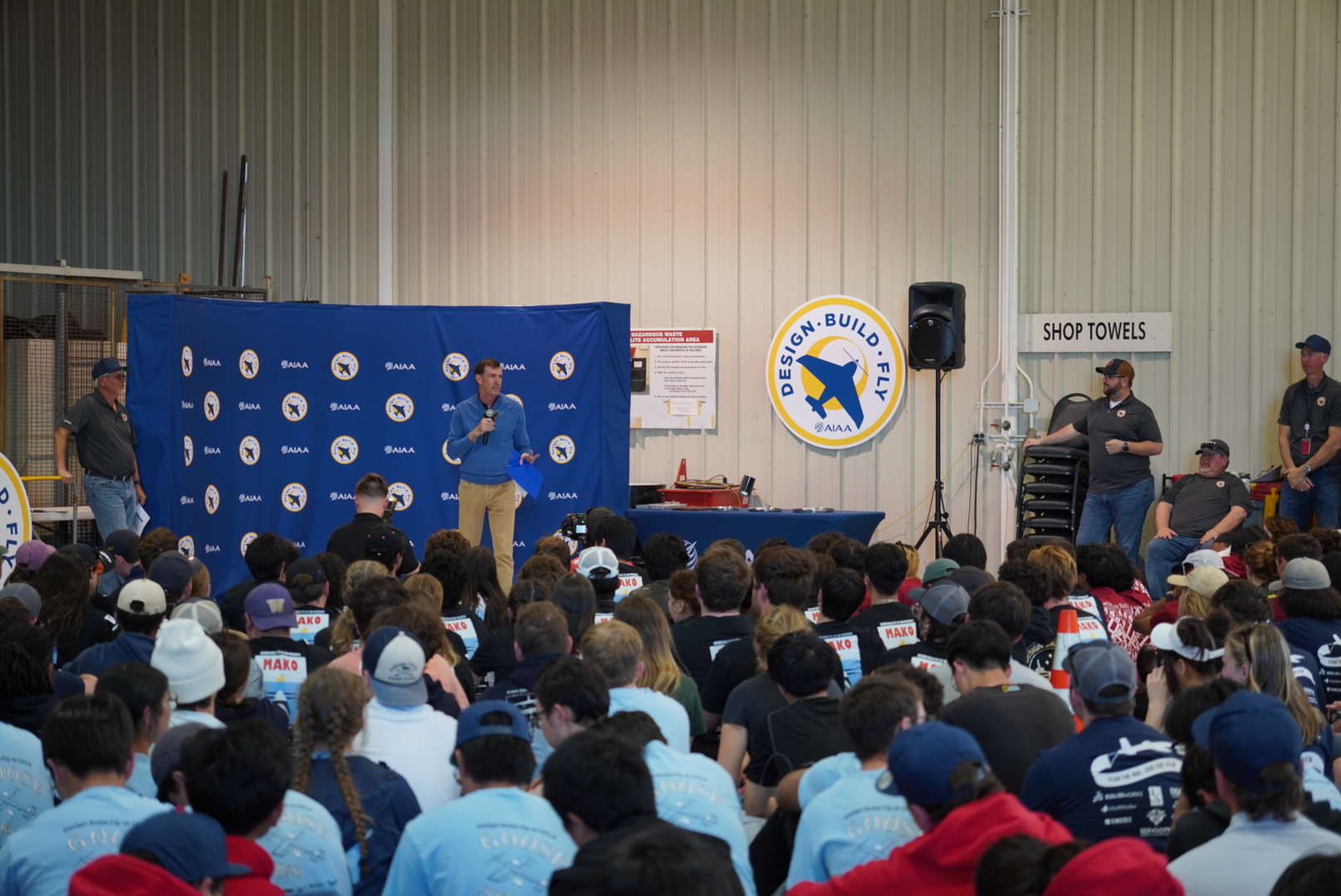
Months of intensive work, technical expertise, and perseverance brought the Slovenian team to the very top of a competition widely regarded as one of the most prestigious and technically challenging in student aviation. The event took place between April 16 and 19 in Wichita, Kansas, under the auspices of the American Institute of Aeronautics and Astronautics (AIAA).
What sets the Design/Build/Fly Competition apart is its requirement that teams design and build an entirely new aircraft each year based on newly defined rules and missions. From the initial concept to final flight testing, success depends on innovation, engineering precision, and reliable real‑world performance.
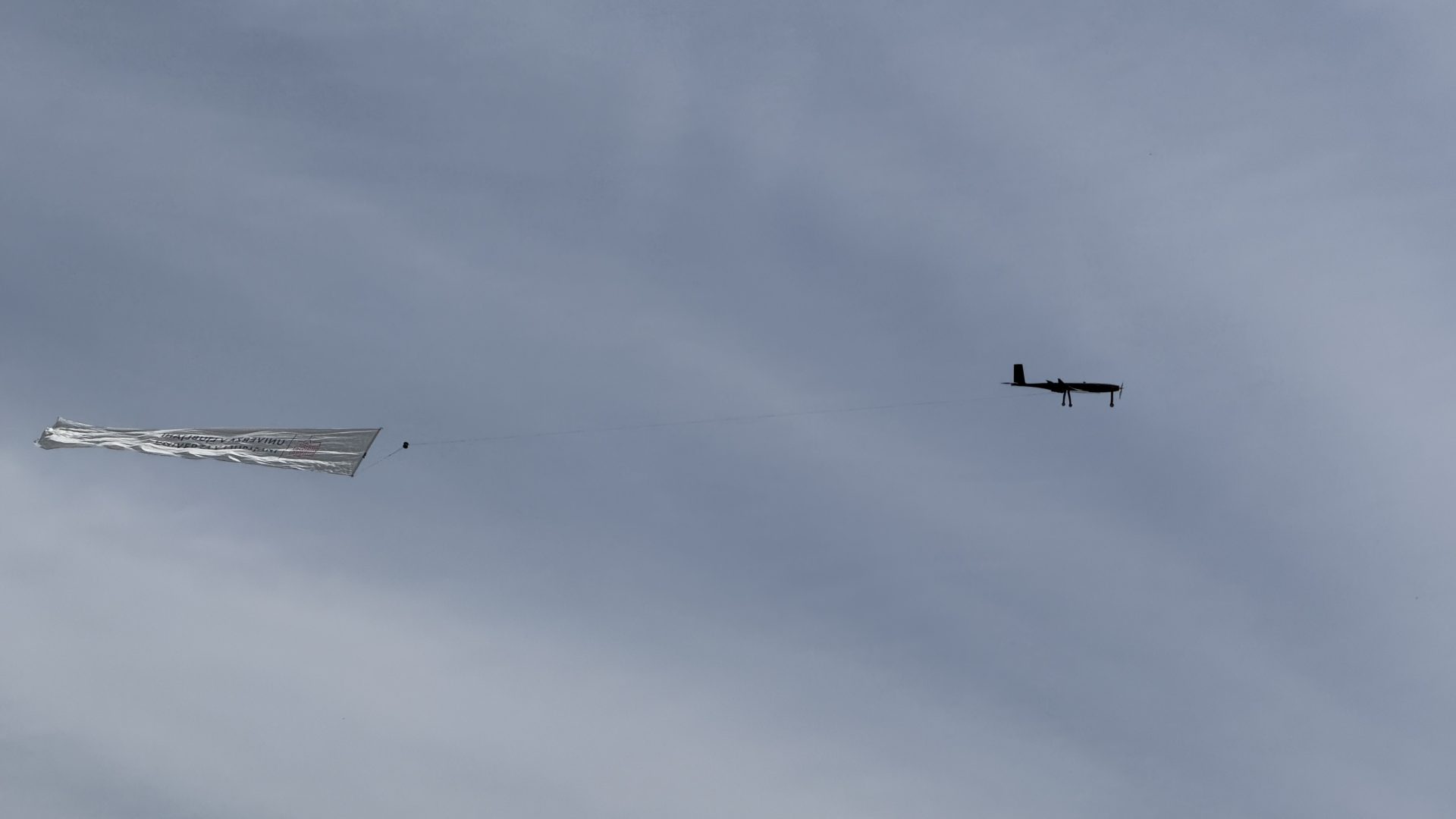
The aircraft Brvinc is a radio‑controlled unmanned plane developed specifically for this year’s task, Banner Towing Bush Plane, which combines cargo transport with banner towing. The project required a careful balance of versatility, robustness, and adaptability, along with thoughtful logistical planning, as the aircraft had to be compact and transportable across the Atlantic.
The entire development process was carried out within the team, from conceptual design and CAD modeling to manufacturing, testing, and optimization. Particular challenges included the design of complex mechanical systems and the banner itself, which had to remain stable even in demanding weather conditions.
The team entered the competition with strong momentum after earning second place on the starting list thanks to an excellent technical report. They opened the event with a successful ground mission and went on to improve their time to an impressive 6.6 seconds in the final attempt. Flight missions were conducted under difficult conditions—strong winds, storms, and even tornado warnings led to several interruptions during the competition. Despite this, the team completed all missions reliably, from a test flight without payload to demanding missions involving cargo and passengers, and finally the most spectacular task: banner towing. With consistently stable flights and flawless execution, they took the lead and held it through a tense final round, ultimately securing victory.
The success is the result of the dedication of more than 30 students who invested months of work, countless test hours, and exceptional commitment into the project. Team members come from several faculties of the University of Ljubljana, including Mechanical Engineering, Electrical Engineering, Computer and Information Science, Mathematics and PhysicsChemistry and Chemical Technology, the Biotechnical Faculty, and the Faculty of Social Sciences. This multidisciplinary composition proved to be a key strength, enabling a comprehensive approach to both technical and organizational challenges.
“We’re very happy to have successfully completed the project,” said Jakob Erhartič, team leader of the DBF project. “I’m extremely grateful to all team members who dedicated their time and effort over the past months to designing and building the aircraft. At the competition, we worked as a truly cohesive team, which others noticed and acknowledged as well. Winning DBF rewards all the hard work and confirms that we’re on the right path.”
Team mentor Senior Lecturer Dr. Igor Petrovič highlighted the importance of motivation and knowledge transfer: “The key difference was the team’s high level of motivation and the successful transfer of experience from previous years. Good task organization and the remarkable number of voluntary hours the students contributed also played a crucial role.”
According to Professor Dr. Jernej Klemenc, Dean of the Faculty of Mechanical Engineering at the University of Ljubljana, the achievement demonstrates the strength of linking education with hands‑on practice: “Moments like this confirm our commitment to offering students more than theoretical knowledge. When we see them transform what they learn during their studies—through initiative, responsibility, and hard work—into such tangible and successful outcomes, we know this approach makes sense. The team’s success in the United States is clear proof that the connection between education, mentorship, and practical work truly delivers results.”
The victory at the Design/Build/Fly 2026 Competition is more than a competitive achievement—it is a strong affirmation that Slovenian students, with dedication, expertise, and the right support, can compete with—and outperform—the world’s leading universities. At the same time, the project represents a valuable learning environment where students develop technical skills, teamwork, and the ability to solve complex real‑world engineering challenges.
This year’s competition also featured a new addition: a live stream organized by AIAA in collaboration with NASA Space Flight production. A recording of the live broadcast of the third mission, with a timestamp starting just before our flight attempt, is available at the following link.
Photo credit: DBF team